The Prompt Is Mightier Than the Script: How AI Is Reshaping Modding Culture
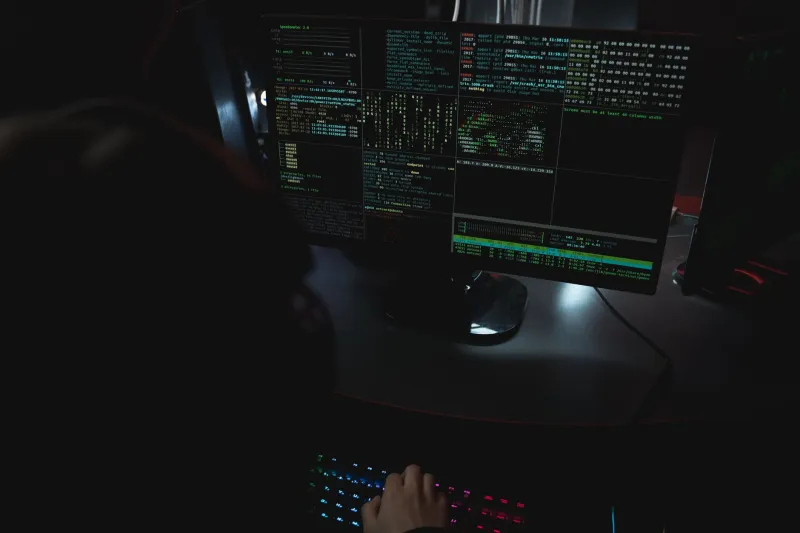
Photo: AI-assisted game modding workspace with textures and code on a monitor, via thecrunch.io
The novelty phase is over
In 2026, AI-assisted modding has stopped being a party trick. What used to be a screenshot of a weird texture upscale or a robot voice reading quest dialogue has become part of the everyday pipeline for a lot of creators. The tools are not replacing modders. They are changing where modders spend their time, what they can attempt alone, and how communities decide what counts as fair work.
That shift is messier than the marketing suggests. A modder can now generate placeholder voice lines, block out a texture set, or scaffold a compatibility patch in an afternoon. The same modder still has to test the thing, fix the seams, and explain the result to players who expect it to work with three other mods and the latest game patch. AI shortens some steps. It does not remove the job.
Where the tools actually help
Ask working modders where generative tools earn their keep and you will hear the same three answers. First, textures and icons. Upscaling, cleaning up seams, and producing quick variants are repetitive tasks that eat hours. Second, voice work. Synthetic voice lines are still controversial, but for silent protagonists, cut content restorations, or temporary placeholders, they have become a common shortcut. Third, code scaffolding. AI can draft boilerplate scripts, explain an old API, or suggest a fix when a function breaks after an update.
The catch is quality control. AI output often looks plausible before it is correct. A generated script might compile and still break a quest. A texture might look sharp and still clash with the art direction. A voice line might sound close and still land wrong in a scene. The modders getting good results are treating AI like an eager intern, not an oracle. They review, revise, and test.
The disclosure fight is the real fight
Walk into any busy modding Discord in 2026 and you will find some version of the same argument: how much AI use needs to be disclosed? Some communities now require labels for synthetic voice work, AI-generated textures, and code produced with large language models. Others ban generative assets outright. A few have split into separate spaces so players can choose whether they want AI-assisted mods in their load order at all.
The arguments are not only technical. Voice cloning raises consent questions, especially when a mod uses a performer's likeness without permission. Training data raises copyright questions that US courts and platforms are still sorting out. Asset licensing raises practical questions about whether a mod can be reuploaded, remixed, or bundled into a collection. Even modders who like the tools are wary of building a project on top of a model whose terms could change.
Two communities, two playbooks
Some communities are leaning in. They treat AI as another tool, require clear disclosure, and focus on the output: does the mod work, does it respect the original game, and does it give credit where credit is due? These spaces tend to attract creators who want faster iteration and players who care more about the experience than the method.
Other communities are drawing hard lines. They worry about flooding, lost craft, and a race to the bottom where generated content crowds out hand-made work. They worry about consent and credit. They worry that players will stop valuing the labor behind a custom model, a hand-painted texture, or a carefully written quest. For them, banning or tightly limiting AI is a way to protect the culture of the place.
Neither approach is irrational. The tension is a sign that modding communities are doing what they have always done: arguing about norms before the norms harden.
What changes for the solo modder
For the one-person project, AI can widen the scope of what is possible. A solo creator who cannot afford voice actors can prototype dialogue. A hobbyist who cannot paint textures can get closer to a coherent look. A newcomer can ask a model to explain an unfamiliar modding API instead of bouncing off a wiki from 2014.
That is the upside. The downside is dependency. If a tool changes its terms, gets paywalled, or stops working, a project can stall. If a creator leans too hard on generated code they do not understand, updates become nightmares. The modders who are thriving are the ones using AI to move faster through the parts they already understand, not to skip the learning entirely.
The rulebook is being written now
In 2026, the modding rulebook around AI is still wet ink. Platform policies are shifting, community guidelines are being drafted, and players are learning to ask better questions about how a mod was made. That is uncomfortable, but it is also normal. Modding has survived closed tools, broken APIs, legal threats, and platform shifts. It will survive this too.
At FluxMods, the smartest position is not to worship the prompt or ban the model. It is to reward disclosure, respect consent, and judge mods by what they add to the game. AI changes the workflow. The community still decides what the work is worth.