One Person, Zero Budget, Infinite Ambition: The Solo Modders Outbuilding the Studios

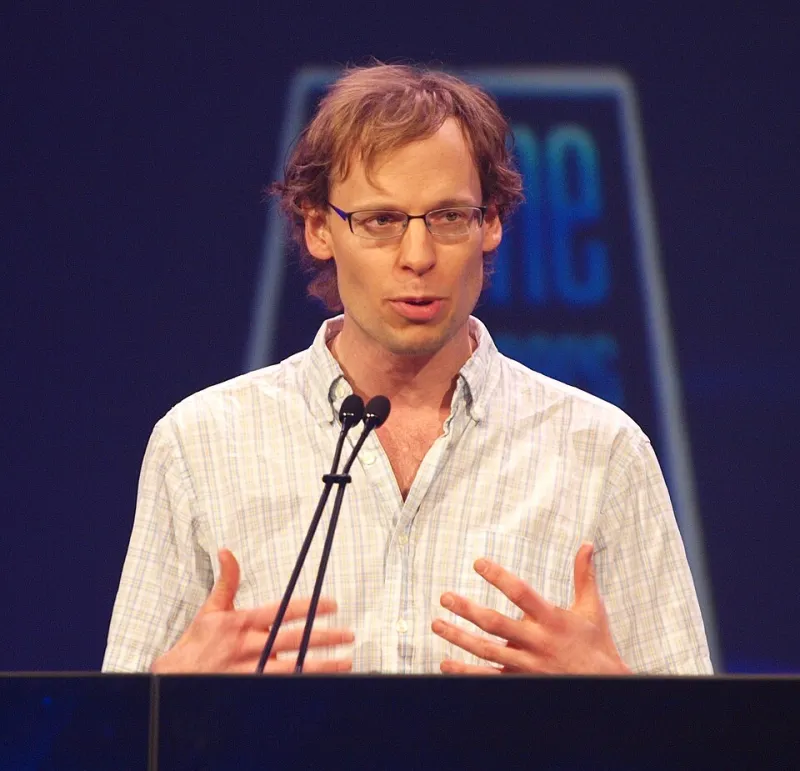
Photo: Eric Barone, Public domain, via Wikimedia Commons
Spend enough time on Nexus Mods or the Steam Workshop and you'll eventually stumble across something that stops you cold. Not a small quality-of-life tweak or a texture swap — something genuinely massive. A total conversion. A new questline with voiced dialogue. A visual overhaul that makes a five-year-old game look like it shipped last Tuesday. You click on the mod page expecting to see a team of twenty people listed in the credits.
Instead: one name.
This is happening more and more, and it's not an accident. The tools available to individual creators right now are, frankly, absurd in the best possible way. What used to require a studio license, professional hardware, and a team of specialists can now be done on a mid-range gaming PC with a combination of free software and a lot of patience. The barrier between "hobbyist" and "professional-quality output" has never been thinner.
Why Now? The Tooling Shift That Changed Everything
The honest answer is that the software caught up with the ambition. For years, the gap between what a solo creator wanted to make and what they could realistically produce was enormous. Rendering, texturing, scripting, audio — each one was its own expensive specialty. You either had a team or you had limitations.
That's not the story anymore.
Blender is the obvious starting point. It's free, it's open-source, and it's genuinely world-class. The jump in capability between Blender 2.7 and the current releases is staggering — the software now handles modeling, rigging, sculpting, animation, and rendering in a single package that costs exactly nothing. Plenty of professional studios use it. The fact that a modder in Ohio can access the same core toolset as a developer in LA is kind of wild when you sit with it.
DaVinci Resolve has done something similar for video and audio post-production. The free tier is legitimately powerful — good enough that modders are using it to cut trailers and edit cutscene content that looks polished enough to pass for official.
For texturing, Krita and GIMP fill a lot of the same space that Photoshop used to own by default. Neither is a perfect replacement for every use case, but for the texture work that goes into most mods, they're more than capable.
And then there's Substance Painter's indie pricing tier, which has brought professional PBR texturing within reach for creators who are actually making money from their work — or planning to.
The Workflow That's Making It Work
Talking to solo modders who are shipping serious work, a few patterns show up consistently.
First: scope discipline. The creators doing the most impressive solo work are almost never trying to build everything at once. They pick a lane — maybe it's purely visual, maybe it's a specific gameplay system, maybe it's a new region with limited mechanics — and they go deep on that one thing before expanding. Scope creep is what kills solo projects. The modders who finish are the ones who've learned to say "not yet" to their own ideas.
Second: asset recycling and kitbashing. This one sounds less glamorous than it is. Using existing assets as a base — remixing, retexturing, combining — is not cheating. It's how professionals work too. The free asset libraries available through sites like Sketchfab and itch.io (and game-specific mod repositories) give solo creators a huge head start that previous generations simply didn't have.
Third: community as QA. Solo modders can't hire a testing team, but they can release early access builds to a Discord or a small community of invested players. The feedback loop this creates is genuinely valuable — bugs get caught faster, balance issues surface earlier, and the creator doesn't burn out trying to test every edge case alone.
The AI Assist: Complicated but Real
It'd be dishonest to talk about solo modding in 2024 without mentioning AI tools, even though the conversation around them is legitimately messy.
On the practical side: AI-assisted upscaling tools like Topaz Gigapixel have been a game-changer for texture work, letting solo modders dramatically improve the resolution of existing assets without rebuilding them from scratch. AI voice synthesis tools — used carefully and ethically — have let some creators add voiced dialogue to mods in ways that would have been impossible without a full cast of actors.
The ethical dimensions here are real and worth taking seriously. Using AI to clone existing voice actors without consent is a problem the community is actively wrestling with. But using synthesis tools to voice original characters with original scripts? That's a different conversation, and one the modding world is still figuring out the norms around.
What This Means for Players' Expectations
Here's the part that should make game studios at least a little nervous: when solo modders are shipping content that rivals official DLC, players notice. And once they've experienced what a passionate individual can produce with free tools and genuine love for the game, the bar for what "official" content needs to look like goes up.
This isn't hypothetical. Communities around games like Skyrim, Stardew Valley, and Fallout 4 have been shaped so profoundly by high-quality mods that many players consider the modded experience the real one. Official updates get measured against community work. That's a wild inversion of the expected power dynamic, and it happened because individual creators kept raising their own standards.
Getting Started: The Realistic Onramp
If you're reading this and thinking about jumping in, here's the honest version of where to start:
- Pick one tool and actually learn it. Blender has more free tutorials on YouTube than you could watch in a year. Start there. Don't try to learn five things at once.
- Start smaller than you think you should. Your first mod should be something you can finish. A retexture. A small item. A single new mechanic. Finishing builds momentum; overscoping kills it.
- Find your game's modding community before you start building. Every active modding scene has Discord servers, wikis, and experienced creators who are generally willing to answer questions. Don't try to reinvent the wheel when someone's already written the tutorial.
- Use the Creation Kit, the Unreal Engine modding docs, or whatever official tools your target game supports. Official tooling documentation is underrated and underused.
The floor for what a single person can build has dropped dramatically. The ceiling hasn't moved. That gap is where the most interesting work in gaming is happening right now — and it's happening in bedrooms and home offices all over the country, with tools that cost nothing and ambitions that don't know when to quit.