Digging Through the Digital Rubble: A Practical Guide to Hunting Down Lost Mods
Photo: ValorosoIT, CC BY-SA 4.0, via Wikimedia Commons
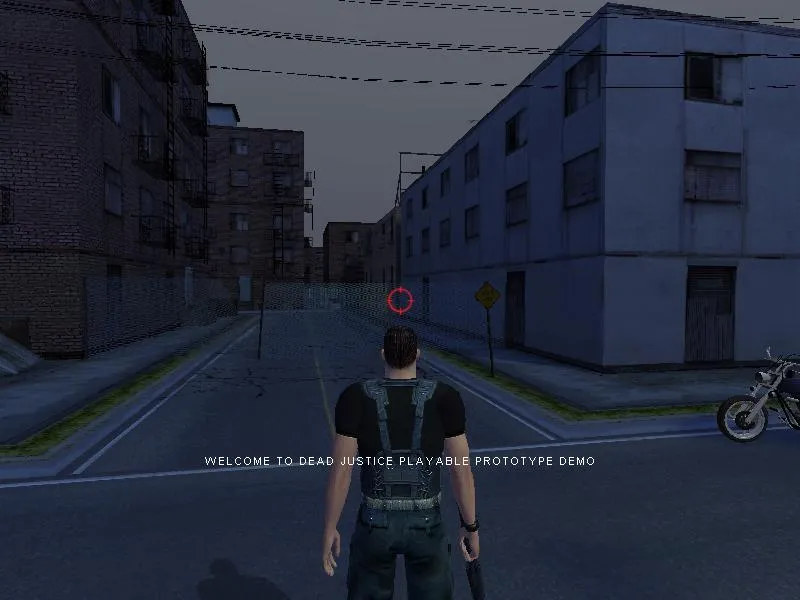
Somewhere out there, a mod exists only in the memory of a handful of players who downloaded it in 2007. The site that hosted it went dark years ago. The creator's forum account hasn't been active since the Obama administration. The only proof it ever existed is a broken link in a Reddit thread and a blurry screenshot someone posted on an old gaming blog.
If you've spent any real time in modding communities, you know exactly the feeling we're describing. You remember something brilliant — a total conversion, a gameplay overhaul, a quest mod that hit harder than most commercial releases — and you go looking for it, and it's just... gone.
This guide is for you. And for the mods.
Why Mods Disappear (And Why It Matters)
Before we get into the how-to, it's worth understanding the scale of the problem. Mod hosting has never been a stable industry. Sites like FileFront, GameFront (in its original form), and countless smaller community-run hosts have come and gone over the years, taking decades of community work with them. GameFront alone hosted millions of files when it went offline in 2016 — a digital extinction event that erased a huge chunk of gaming history before the community scrambled to back up what it could.
Beyond hosting failures, mods disappear for quieter reasons. Creators move on and delete their accounts. Personal websites expire when domain registrations lapse. Discord servers get abandoned. Forum software gets updated and old attachments break. The internet feels permanent until it suddenly isn't.
What's lost isn't just nostalgia. Some of the most technically innovative ideas in game design history came out of mod scenes that nobody archived properly. Mechanics that would later show up in commercial releases were first prototyped in mods that no longer exist anywhere on the public internet. That's a genuine loss — not just for players, but for game design as a discipline.
Step One: Start With What You Know
Every mod hunt starts with whatever fragments you have. A name, a screenshot, a vague description, a username. Write down everything you remember and treat it like a research brief.
Then hit these resources in roughly this order:
The Wayback Machine (web.archive.org) is your first and most important stop. The Internet Archive has been crawling the web since 1996, and it's captured snapshots of an enormous number of gaming sites, mod pages, and forums. Search for the original URL if you have it. Even if the files themselves aren't archived, you can often recover descriptions, screenshots, and sometimes the creator's contact information.
ModDB and Nexus Mods have been around long enough that they've absorbed a lot of content from defunct sites. Search both platforms before assuming something is truly gone. A mod that disappeared from one host may have been mirrored or re-uploaded by a community member.
Old Reddit threads and forum archives can surface context you won't find anywhere else. Search for the mod name alongside keywords like "download," "mirror," or "anyone have." You'd be surprised how often someone quietly shared a personal backup in a thread that's been sitting dormant for years.
The Mod Archive Discord communities — there are several organized around specific games and eras — are staffed by people who have been doing this for a long time. If a mod existed, someone in these communities probably remembers it.
Step Two: Track Down the Creator
This sounds harder than it often is. Modders who were active in the 2000s and early 2010s frequently kept the same username across multiple platforms. A quick search on GitHub, Twitter/X, or even LinkedIn using an old forum handle can turn up a current contact.
When you reach out, be specific and be respectful. Explain what you're looking for, why it matters to you, and ask if they still have the files or know who might. Most former modders are genuinely moved to discover their old work is still being sought out. Some will dig through old hard drives to help you. A few have actually returned to active modding after being contacted by fans who reminded them their work still meant something.
Even if the creator no longer has the files, they may remember who else was in that community — and that person might have a backup sitting in a folder they haven't opened in a decade.
Step Three: Preserve What You Find
This is the part most people skip, and it's the most important step of all. If you track down a lost mod, don't just download it and move on. Archive it.
Upload it to archive.org with proper metadata — game title, mod name, creator, original release year, a description of what it does. This takes about ten minutes and means the mod will never have to be hunted down again.
Consider also uploading to a current mod hosting platform with a clear note in the description crediting the original creator and explaining the archival context. This makes the mod discoverable by people who don't know to look on archive.org.
If you're finding multiple lost mods from the same game or era, think about starting a dedicated preservation thread on the game's subreddit or fan forum. Collective efforts move faster than solo hunts, and you'll find that other players have been sitting on backups they never thought to share.
The People Doing This Professionally (Sort Of)
A loose network of volunteer archivists has been quietly working on large-scale mod preservation for years. Projects like the Classic Doom Archive and community-driven efforts around games like Morrowind, Quake, and Unreal Tournament have saved enormous amounts of content that would otherwise be gone permanently.
These aren't funded organizations. They're enthusiasts with external hard drives and a lot of patience. If you want to support the broader preservation effort, the easiest thing you can do is contribute to archive.org financially, participate in preservation communities for games you care about, and make a habit of mirroring anything you download that feels fragile.
A Note on Why This Is Worth Your Time
Mod preservation isn't just about nostalgia, though nostalgia is a perfectly valid reason. It's about maintaining a record of how game design actually evolved — not the official history that studios publish in anniversary retrospectives, but the real history, built in basements and dorm rooms by people who loved games enough to rebuild them from scratch.
Every mod you help recover is a piece of that history back in the light. Start digging.