Ghost Mods: What Really Happens When a Creator Disappears and Takes Their Work With Them
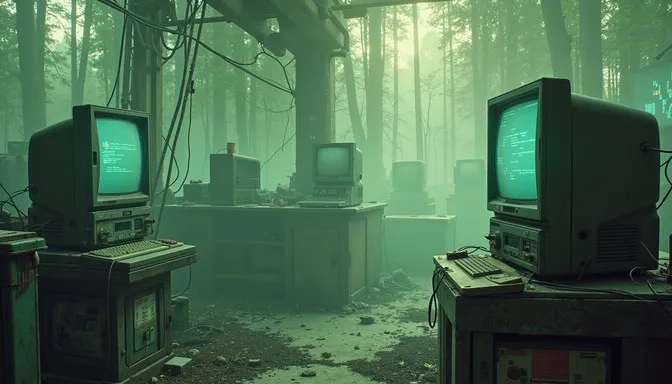
Photo: abandoned computer graveyard dark moody digital decay, via images.stockcake.com
There's a particular kind of grief that hits gaming communities when a beloved mod just... stops. No farewell post. No final patch. No handoff to a trusted contributor. Just silence, and then the slow realization that the thing you've been playing around for years is now quietly rotting in place, incompatible with the latest game update and impossible to fix without the original source files.
It happens more often than most players realize. And the fallout goes a lot deeper than a broken download link.
The Slow Death Nobody Talks About
Abandoned mods don't usually die dramatically. They fade. A creator stops responding to bug reports. The forum thread goes months without a new post. Then a major game patch drops, and suddenly the mod throws errors on startup. Players flood the comments asking if it still works. Nobody answers. The mod's page sits frozen in time like a digital Miss Havisham — clocks stopped, cake rotting on the table.
This is what the community calls a "ghost mod," and the Nexus Mods graveyard is full of them. Browse long enough through any major game's mod library and you'll find dozens of projects sitting at version 0.9 beta, last updated sometime during a presidential administration you've already forgotten about.
The numbers are genuinely staggering. On platforms like Nexus Mods and ModDB, a significant chunk of hosted projects haven't seen an update in over two years. Many of those were once community staples — overhaul mods, total conversions, quality-of-life fixes that players considered practically essential.
Why Creators Walk Away
It's easy to frame abandonment as irresponsibility, but that framing misses almost everything real about why modders go dark. The actual reasons are complicated, and they rarely get talked about openly.
Life just happens. Modding is a hobby. It competes with jobs, relationships, kids, health problems, and every other thing that makes up an actual human life. A creator who was grinding out updates at 23 might be a completely different person at 28, with a new city, a new career, and zero bandwidth for hobby projects. Nobody owes the internet their free time indefinitely.
Burnout is brutal. The modding community can be enormously supportive, but it can also be relentlessly demanding. Creators field bug reports, feature requests, complaints about compatibility, accusations of stealing ideas — and they do all of it for free. When the joy drains out and the inbox fills up with entitlement, walking away starts to feel less like giving up and more like self-preservation.
Legal pressure is real. Some creators vanish because they have to. A cease-and-desist from a publisher, a threat of legal action over IP concerns, or even just the anxiety of operating in a legally gray zone can be enough to make someone quietly delete their account and move on. They can't always explain why they're leaving, which makes the disappearance feel even more abrupt.
The technical debt becomes overwhelming. Mods built on fragile foundations — hooking into engine internals, relying on deprecated APIs, or depending on other mods that have themselves gone abandoned — can reach a point where maintaining them requires more effort than building something new from scratch. At some point, the creator does the math and walks.
What Communities Lose
When a major mod goes dark, the ripple effects can reshape how an entire game is played. Think about the Skyrim modding ecosystem, where certain overhaul mods became so foundational that entire load orders were built around them. When one of those load-bearing mods goes unmaintained, it doesn't just break one thing — it breaks a whole stack of dependent mods that assumed it would always be there.
There's also the knowledge loss problem. A lot of modding techniques, workarounds, and hard-won solutions exist only in the heads of the people who figured them out, or in forum posts buried deep enough that nobody's going to find them. When a creator disappears, that institutional knowledge often disappears with them.
Smaller communities feel this even harder. A mid-sized RPG with an active but compact modding scene might have had one person doing the heavy lifting on a critical content expansion. When that person leaves, there's nobody positioned to take over, and the whole scene can stall out.
The Resurrection Problem
Here's where things get legally messy. Even when a community desperately wants to revive an abandoned mod, they often can't — at least not without running into intellectual property complications. The mod's code belongs to whoever wrote it. Without explicit permission (usually in the form of an open-source license or a public statement from the creator), picking up someone else's work and republishing it is legally sketchy at best.
Some creators do leave behind permissive licenses or post public "adopt this if I go quiet" statements, and those communities tend to fare much better. Projects that documented their work thoroughly, kept source files publicly accessible, and built contributor communities rather than solo empires are the ones that survive creator departures.
But those are the exceptions.
What You Can Actually Do Right Now
If you're a player who relies on mods — or a creator who doesn't want your work to become a cautionary tale — there are real moves you can make.
Check the license before you fall in love. Before you build your entire setup around a mod, look at whether the creator has specified what happens to it if they step away. Open licensing is a green flag. No stated terms is a yellow one.
Support archiving efforts. Projects like the Internet Archive and community-run mod preservation initiatives are doing genuinely important work. Throwing a few bucks their way, or contributing to mod mirrors where legally permitted, keeps history alive.
Learn the basics. Even a surface-level understanding of how mods are structured makes you more capable of adapting when something breaks. You don't have to become a full developer — just knowing enough to patch a compatibility conflict or find an updated fork puts you way ahead.
Build the community, not just the content. If you're a modder, the best insurance against your work dying with you is having a crew of contributors who understand it. Document your process. Invite collaborators. Make it so the project could survive you leaving.
Look for spiritual successors. When a mod truly can't be revived, sometimes a newer project has picked up the same torch. The original might be gone, but the idea often lives on somewhere. Dig through Discord servers, subreddits, and niche forums — someone's usually already working on the next version of the thing you lost.
Keeping the Flux Going
The modding world runs on passion, and passion isn't a renewable resource you can force. Creators are going to walk away sometimes — that's just the reality of a scene built on volunteer labor and genuine love for games. The communities that handle it best are the ones that treat their mods like shared infrastructure rather than someone else's property to consume.
When you invest in preservation, documentation, and open collaboration, you're not just protecting your favorite mod. You're building a culture where the work outlasts any single person's involvement. That's the kind of ecosystem where great things actually stick around.
The graveyard doesn't have to keep growing. But filling it back in is going to take all of us.